

Getting ADAS calibrations approved is not just about adding another line item to the estimate.
It is about proving why the calibration was necessary and showing what happened during the calibration process.
As vehicles become more advanced, ADAS related work is becoming a larger part of the repair process. Cameras, radar, sensors, and driver assistance systems can be affected by a range of repairs, and OEM procedures may call for scans, calibrations, programming, initialization, or additional documentation before the vehicle is returned.
For body shops, that creates a payment challenge. Even when the calibration is required, insurers may ask for more information. They may question the charge. They may push back if the repair file does not clearly show why the calibration was needed, what was attempted, and whether the procedure was completed successfully.
That is why the calibration record matters.
Approval starts with showing the process
A calibration request is easier to support when the repair file clearly connects the calibration to the job and documents the actual process that took place.
That means the file should not only say that a calibration was performed. It should help answer the questions an insurer, shop, or customer may ask later.
Which ADAS system was involved? What fault codes were present before calibration? What calibration, programming, initialization, or relearn procedure was attempted? Was the attempt successful or unsuccessful? How many attempts were made? Did any fault codes return after calibration? What recommendation was made? Were scan readings or supporting documents attached?
The stronger the record, the easier it is to explain the charge. The weaker the record, the more room there is for confusion, delay, and pushback.
Vague documentation creates problems
One of the most common issues is vague documentation.
A line item that only says calibration may not give enough context. A repair note that does not explain which system was calibrated may not support the charge. A calibration report that does not show the result may leave questions unanswered. A failed attempt that is not documented may make the time and work harder to justify. A scan result or recommendation stored outside the job may be harder to reference when questions come up.
When the documentation is incomplete, the shop may still be right, but it may be harder to prove.
What the calibration record should show
A stronger calibration record should clearly show what was needed, what was attempted, what was completed, and what happened next.
Body shops and ADAS providers should aim to document the vehicle, the approved ADAS system name, the repair area, photos that support the repair, scan results or ADAS recommendations, OEM procedure references where available, fault codes before calibration, the calibration or programming procedure attempted, whether the attempt was successful or unsuccessful, the number of attempts, fault codes returned after calibration, technician notes, recommendations, scan readings, completion documentation, approval or decline status, and final invoice details.
This does not need to overcomplicate the job. It simply needs to create a clear record of the calibration process.
Attempt history matters
Not every calibration is successful on the first attempt. Some procedures may need to be repeated. Some may require additional conditions to be met. Some may return fault codes after the first attempt. Some may require the shop to address related issues before the calibration can be completed.
That is why attempt history matters.
If the file shows what was attempted, how many attempts were made, and what result came back, the shop has a clearer record of the work performed. That record can help support payment, explain the process, and show why additional time or follow up may have been necessary.
Common documentation gaps that create pushback
Calibration charges can be harder to approve when the repair file is missing key details.
- Missing photos of the repair area
- No scan documentation
- No ADAS recommendation attached
- No OEM procedure reference
- Vague ADAS system naming
- No fault codes documented before calibration
- No record of the procedure attempted
- No successful or unsuccessful result recorded
- No attempt count
- No fault code documentation after calibration
- No technician notes or recommendation
- No completion documentation
- Estimate and invoice details that do not match
- Documents stored outside the job file
These gaps can create extra back and forth, slow down payment, and make it harder for the shop to justify the work.
ADAS providers can help body shops get better approvals
ADAS providers can play an important role in helping body shops reduce pushback.
A good ADAS provider does more than complete the calibration. They help the shop understand what documentation may be needed, what information should be captured, and how to support the charge with a stronger repair file.
That makes the provider more than a vendor. It makes them a partner in the repair process.
For body shops, that partnership can help improve communication, reduce delays, support payment, and create a cleaner record of the work performed.
Better documentation supports payment and protection
Documentation is not only about getting paid. It also helps protect the repair.
If a calibration was required, the repair file should show why. If it was attempted, the file should show that. If it was completed, the file should show the result. If it was unsuccessful, the file should show what happened next. If it was declined, the file should show that too.
That matters for insurers, customers, repair partners, and the shop itself. When ADAS is involved, the repair record needs to be clear.
Where Mobile Tech RX fits
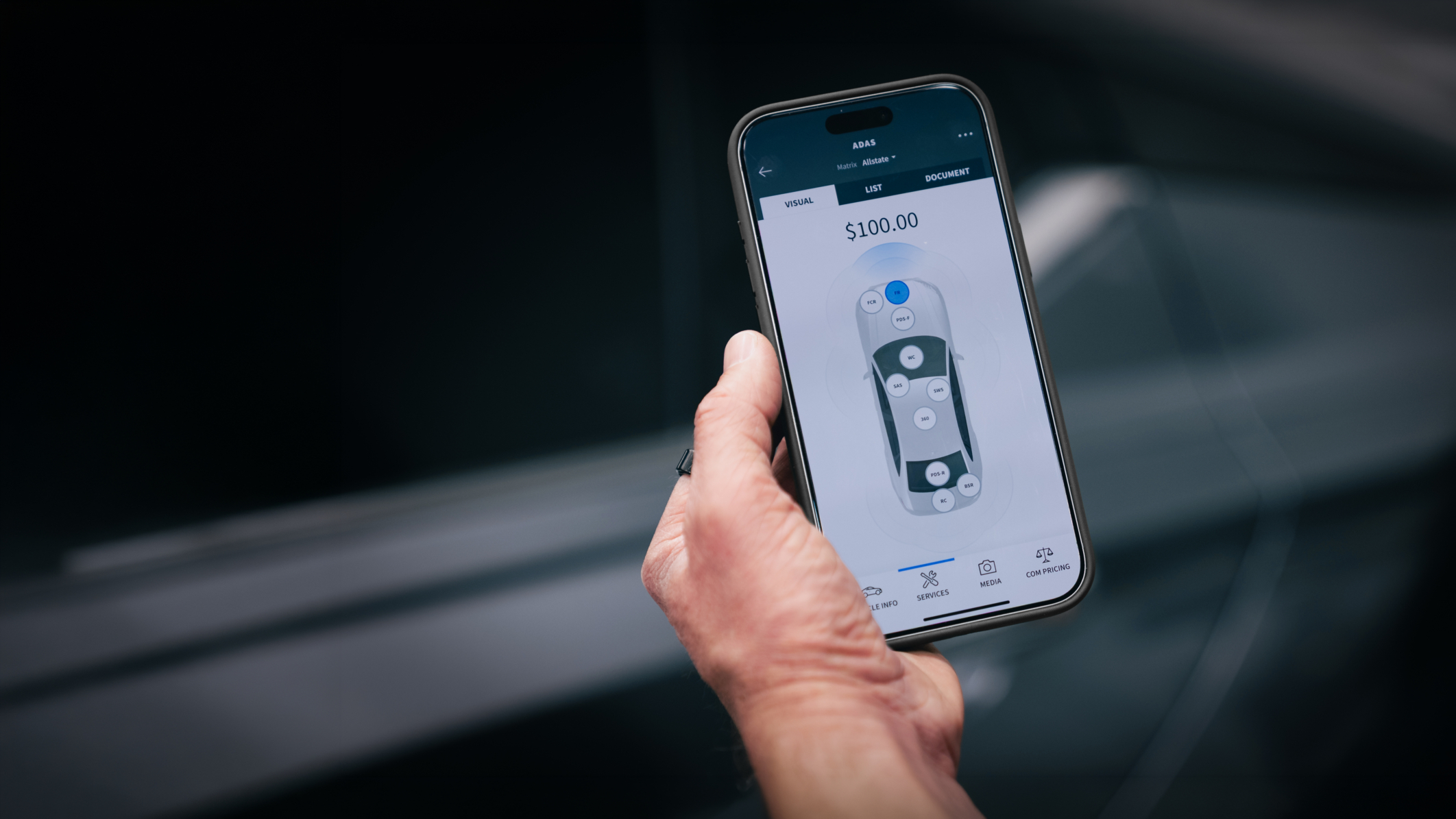
Mobile Tech RX ADAS Intelligence powered by adasThink helps keep estimates, photos, notes, approvals, documentation, attempts, results, and invoices connected in one workflow.
That makes it easier to support calibration related work from the beginning of the job through the final invoice.
Instead of relying on scattered notes, separate documents, text threads, or memory, Mobile Tech RX helps keep the repair file organized.
That matters when the shop needs to justify the charge, answer questions, or show what was attempted, completed, or still needs follow up.
The bottom line
Getting ADAS calibrations approved is not just about asking for payment.
It is about creating a repair file that clearly shows why the calibration was required, what procedure was attempted, how many attempts were made, whether the result was successful or unsuccessful, what codes were present before and after, and what documentation supports the charge.
For body shops, stronger documentation can mean fewer delays, less pushback, and a better chance of getting paid properly.
For ADAS providers, it creates a stronger way to support customers and help them approve more calibration work.
Make calibration documentation easier to manage. Use Mobile Tech RX ADAS Intelligence powered by adasThink to keep estimates, photos, notes, approvals, calibration records, and invoices connected in one workflow.